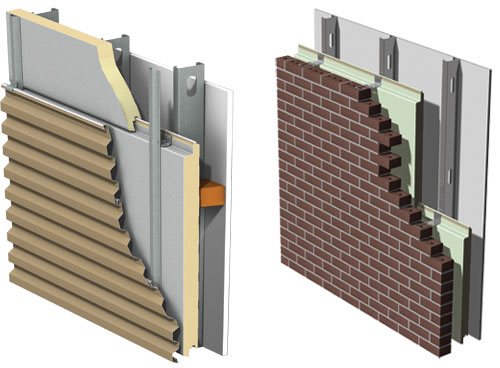
Common interior walls (backup walls) are cold-formed steel framed walls with water-resistant sheathing and concrete masonry.
Example: The backup wall of is designed to support floor and roof loads and to resist lateral wind loads and seismic movement.
en: Muro de respaldo.
BRICK COURSES
Noun.
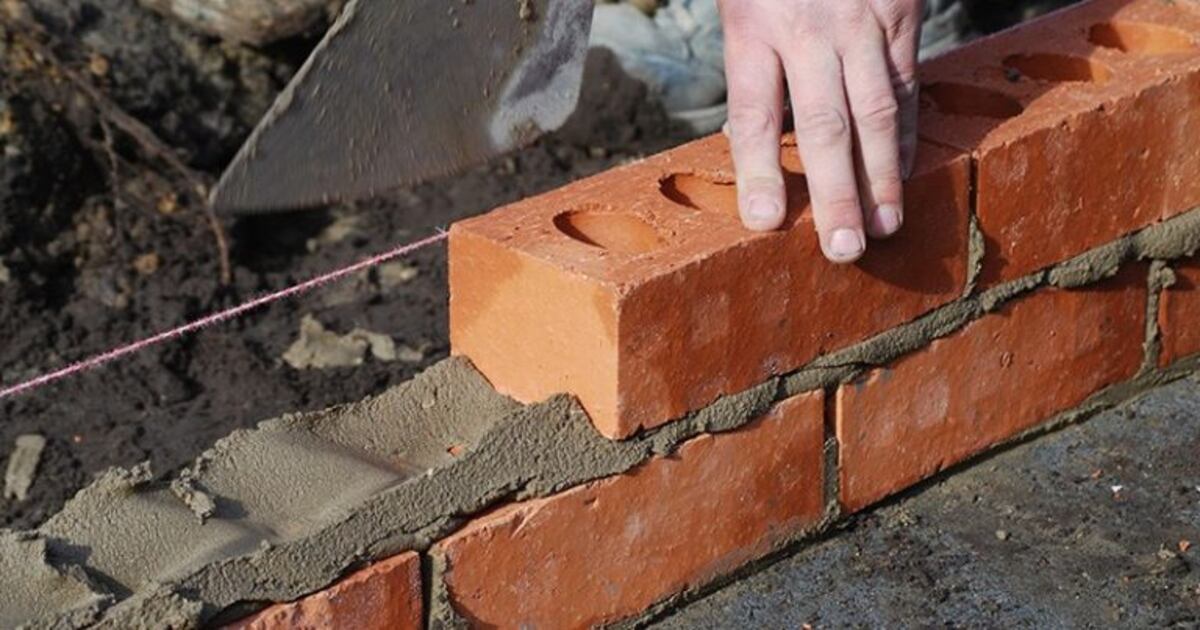
A 'course' is a measurement referring to the dimensions of the brick and mortar when they have been sandwiched together. One brick and the mortar together is equal to one 'course'.
Example: The outer walls of the building are made of stone and brick courses.
en: Hiladas de ladrillo.
CONCRETE BLOCK
Noun.
A concrete block is a prefabricated masonry, made with fine concrete or cement mortar, used in the construction of walls and walls.
Example: Although the foregoing principles apply to concrete block buildings, there are two additional areas of concern with respect to timber buildings.
en: Bloque de concreto.
DOVETAIL INSERT
Noun.
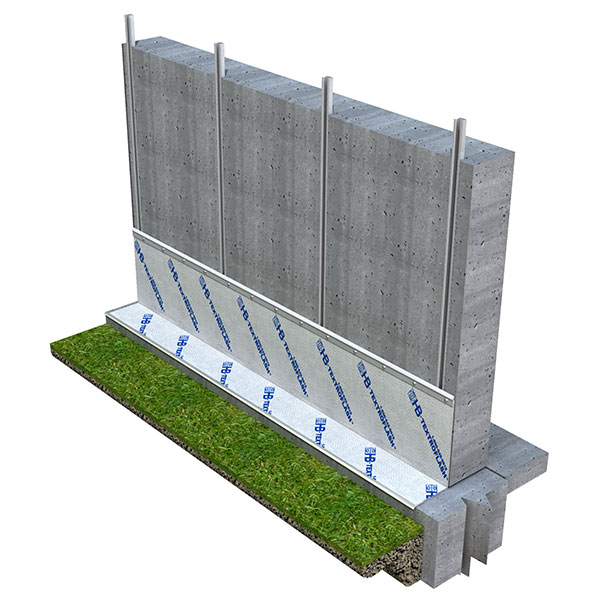
Used for attaching brick veneer or stone to a concrete backup wall. The dovetail slot is nailed to the inside of the form. When the concrete is poured and the form is removed, the slot allows anchors to be installed and adjusted vertically.
Example: Dovetail insert are known for their inherent strength and resistance to being pulled apart .
en: Inserto de cola de milano.
GRAVITY LOAD
Noun.
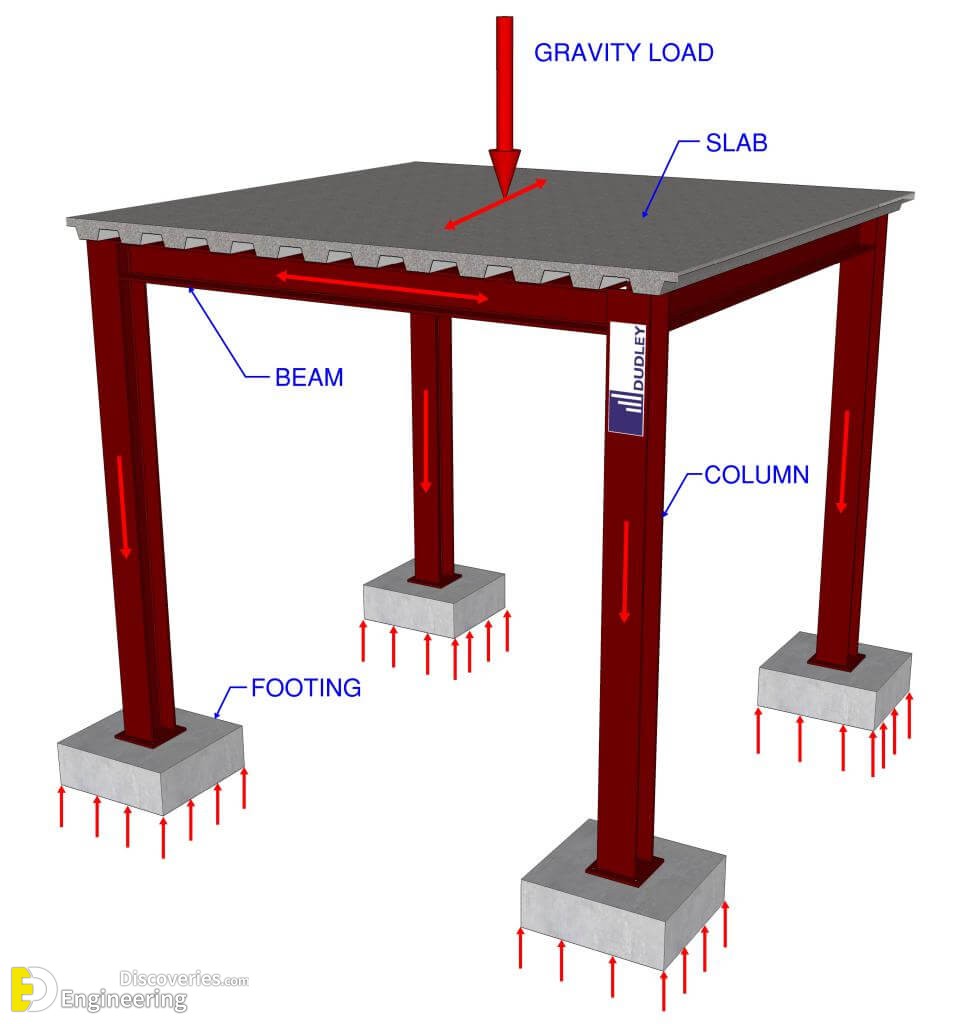
The gravitational loads are deterministic and depend on the mass distribution and instantaneous position of the structure, that is, the blade azimuth.
Example: Gravity loads forces that are applied perpendicular to the roof or floor system.
en: Carga de gravedad.
HANGING OFF(OF)
Verb.
To be suspended from something. Literally, to hang or dangle from something.
Example: Did you know that the gutter is practically hanging off the side of the house? We should probably get that fixed.
en: Colgado.
HORIZONTAL MORTAR JOINTS
Noun
Space that remains between the two surfaces of the ashlars or bricks, which are filled with mortar or cement in order to join and bind them solidly.
Example: Horizontal mortar joints are the ones that strengthen the structure of a home and all types of buildings.
en: Juntas de mortero horizontales.
LADDER- TYPE SYSTEMS
Noun.
Brick reinforcement ladders are two long, flattened bars of steel (usually stainless or galvanised), joined at stages by thinner bars, creating a ladder effect.
Example: The cross rods of the ladder-type system are spaced so block cells are not obstructed, allowing easy placement of vertical rebars.
en: Sistema tipo escalera.
LATERALLY
Adverb.
From the side or sides; sideways.
Example: They tie the brick back to the structure and support it laterally.
en: Lateralmente.
MASONRY TIES
Noun.
Wall ties, sometimes called ‘brick ties’, are used in buildings with cavity walls. They are used to join the two leaves of a cavity wall together, allowing the two parts to act as a homogeneous unit.
Example: Hidden from view after construction, masonry ties play a vital role in ensuring the stability of a building.
en: Lazos de albañilería.
MULTI-STORY
Adjective.
A building with more than two stories.
Example: Large numbers of multi-story apartment complexes are appearing in the vicinity of subway stations and other public services and facilities.
en: De varios pisos.
RELIEF ANGLE
Noun
The angle between a relieved surface and a tangential plane at a cutting edge.
en: Ángulo de alivio.
SUPPORTS
Verb.
To hold something firmly or carry its weight, especially from below to stop it from falling.
Example: The middle column supports the roof.
en: Soporta.
TIE (SOMETHING) BACK TO
Verb.
Join or fasten one thing to another with ropes, laces or similar materials.
Example: Masonry ties fit in the horizontal mortar joints and are attached to the backup wall or structure. They tie the brick back to the structure and support it laterally.
en: Unir a.
TRANSFERS
Verb.
Transfer a load or something from one point to another.
Example: The open-plan works by means of rigid frames, these can transfer their loads through the beams to the columns.
en: Transferir.
WEDGE ANCHOR
Noun.
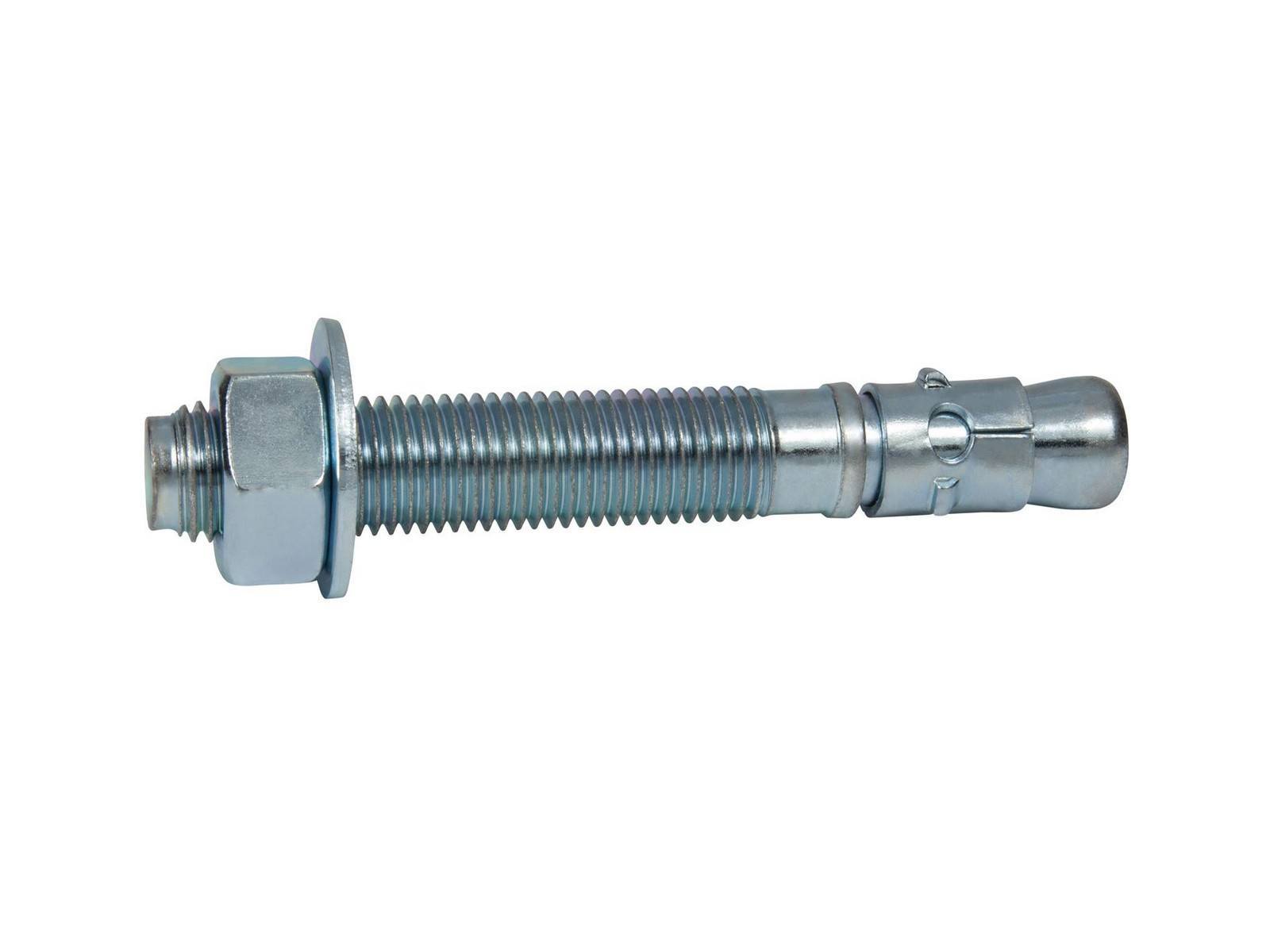
A wedge anchor is a type of specialty fastener used to attach objects to concrete or masonry structures. They may be used to secure a piece of artwork to a brick wall, hang ductwork or plumbing pipes from a ceiling, or bolt an item into the floor. Wedge anchors may also be known as anchor bolts or expansion bolts in some areas.
Example: The UCAN Hook Wedge Anchor is a high grade steel fastener, designed primarily for wire mesh installation.